


These inform important business decisions concerning things like budgeting, cost-cutting, increasing sales, or potential investments. Structure the pro forma cash flow statement into sections such as operating activities, investing activities, and financing activities. This statement is often used for budgeting, forecasting, and evaluating the financial impact of various business decisions or scenarios, such as new investments, expansions, or changes in operational strategies. Accurately forecasting these expenses in your pro forma helps ensure you’re prepared for significant future outlays, preventing an unexpected impact on your cash flow or paying out of pocket from personal funds. By delving into the successes and challenges faced by these projects, developers can glean invaluable insights and lessons learned into potential risk factors, realistic cost estimations, and achievable https://www.bookstime.com/ timelines. Furthermore, historical data helps in identifying market trends, economic conditions, and regulatory changes that could impact the current project.
- Gain control over cash flow like a pro, and fuel your business growth with expert insights through CFO services for small businesses and CFO services for startups.
- Unlike standard statements that reflect the past, pro forma reports show what might happen if you take certain actions, like expanding into a new market or launching a product.
- Effective cash flow management, facilitated by a pro forma, ensures that a project has sufficient liquidity to meet its obligations on time, preventing costly delays or disruptions.
- In essence, the creation of projected documents is similar to drafting a term sheet for a business deal, providing a negotiation framework by defining key deal points early on.
- Percentage Rent is for retail tenants who pay a percentage of their monthly gross sales to the property owners, in addition to the traditional fixed rent.
Transparency & Accountability in Public Projects
Armed with her historical data and market research, Bea crafts her pro forma income statement. She factors in the cost of renovations, additional inventory purchases, and potential increases in staffing. For her cash flow projections, she considers the timing of her investment and the gradual increase in sales. It’s a balancing act, ensuring she has enough cash on hand to cover expenses during the renovation phase. Compiled pro forma financial statements can form the basis for calculating financial ratios and financial models, which test assumptions and relationships of your company’s plan.
What is the purpose of a pro forma statement?
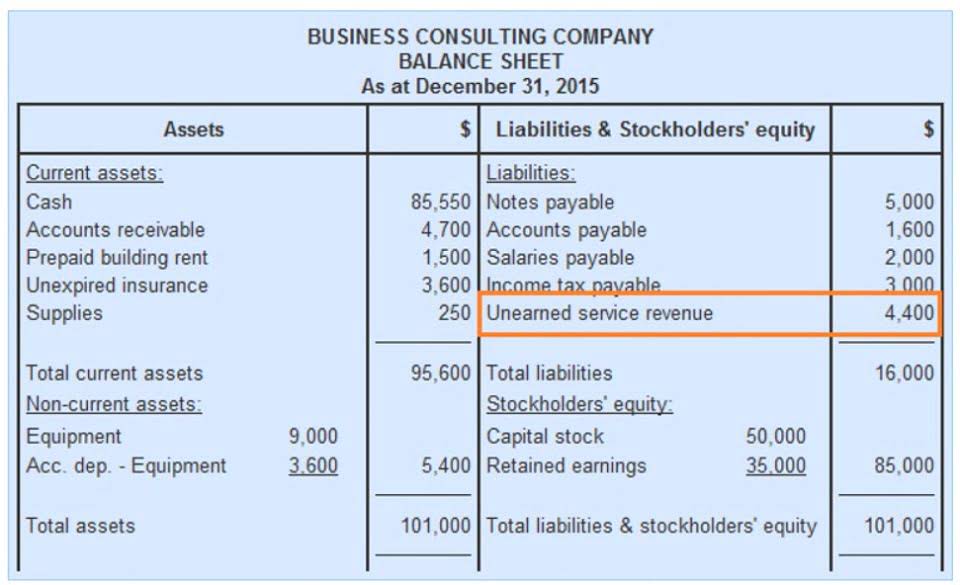
Capital Expenditures are major expenses required to maintain or add value to the property. These could include the replacement of heating and ventilation systems (HVAC), roof replacement, re-paving a parking lot, etc. If you need an industry specific financial model you can check out ProjectionHub’s premium pro forma templates. Estimating and projecting the balance sheet is also a common practice because investors and creditors want to use the balance sheet to analyze debt ratios, liquidity levels, and overall leverage of the company. The subsequent illustration outlines the cash flow projection output, encompassing cash flows from operational activities, financing endeavors, and investment undertakings. Below you will be able to see examples of the input tabs for startup costs, fixed assets, revenue, operating expenses and salaries.
A seller’s pro forma: Demonstrating unique value and future upside
If customer preferences change, the competitors biggest product line may no longer be attractive.Managers can perform what-if analysis using pro forma financial statements and evaluate risks. Accountants may produce both pro forma financial statements and financial statements that comply with Generally Accepted Accounting Principles (GAAP). As explained above, the pro forma statements may exclude one-time transactions from the analysis, so that stakeholders can review the impact. As you can see, pro forma financial statements are a great tool that management can use to play out what if scenarios and future projects.
These reports make it notably easier to evaluate assets, liabilities, and net income, essentially painting a vivid pro forma example picture of a firm’s overall financial condition. Compliance with international standards assures the reliability of these financial documents, which serve as the foundation for smart strategy development. To understand the full potential of pro forma statements, consider delving into financial report examples that deftly convey complex financial data. When writing a pro forma business plan, you will need to include information such as your company’s sales forecasts, expenses, capital expenditure plans, and funding requirements. You should also include a pro forma income statement, balance sheet, and cash flow statement. Pro forma financial statements are used to project a company’s expected financial performance based on specific assumptions.
🎓 Unlock Core Accounting Skills for Financial Analysts!
As the boutique gears up for its fourth year, Bea decides it’s time to expand her offerings and possibly renovate the space to attract more foot traffic. She knows this will require a significant investment and wonders if the numbers add up in favor of her vision. It’s similar to knowing when to water your garden and when to add fertilizer or pesticide.

These documents serve as a financial blueprint, allowing owners to forecast revenue, anticipate costs and assess potential risks with a high degree of accuracy. Generally, pro forma financial statements tend to portray a business as being more successful than it really is, and having more financial resources available than may actually be the case. Consequently, investors should be extremely cautious when evaluating these types of financial statements, and spend time understanding how they differ from the issuing firm’s normal financial statements. If so, they may issue pro forma financial statements that include the corrections they believe are necessary to provide a better view of the business. The Securities and Exchange Commission takes a dim view of this kind of adjusted reporting, and has issued regulations about it in their Regulation G. A company may be seeking funding, and wants to show investors how the company’s results will change if they invest a certain amount of money in the business.

This item is similar to EBITDA for normal companies – a capital structure-neutral measure of core-business cash flow – but it’s not the same. Then, you list the “capital costs” (similar to CapEx and the Change in Working Capital for normal companies) that correspond to long-term items that will last for more than 1 year. The statement of change in equity, also referred to as the statement of retained earnings, provides a granular look at variations in a firm’s equity throughout an accounting cycle. It reveals how decisions such as net earnings distribution and dividend allocations impact shareholder value. Furthermore, an IASB study showed that more than 60% of 100 companies disclosed operating profit figures in at least nine distinct Suspense Account manners, highlighting the diversity in reporting.
Mentor up: How to be a great mentee and drive your own growth
For investments, they paint a picture of the potential return and growth, helping to attract funding. Pro forma financials provide a crucial foresight enabling you to align short-term actions with long-term objectives. These tips will help ensure that your pro forma financial statements are both believable and valuable for decision-making.
Your cash flow statement estimates the movement of cash in and out of your business. Pro forma statements and prospective financial statements both look to the future, but they have distinct purposes. Companies can use them to assess the impact of a proposed merger or acquisition, a new product launch, expansion into new markets, or other future changes. A few other, more advanced items on the real estate pro-forma include Loss to Lease and Percentage Rent.