


An operating expense is an expense other than the cost of goods sold that is incurred while running a business. Liquidation is the process of ending or closing a business and distributing its assets. Invest is to put money into stocks, property, or a business in hopes of earning interest and a profit.
Company
- This section delves into various senior-level bookkeeping roles, highlighting their responsibilities, required skills, and the impact they have on an organization.
- Also called a profit-and-loss statement, an income statement is nothing more than a way to understand how much money you made and how much money you spent.
- These items are kept in a store room of some sorts and a strict record kept of the number of items on hand at any given time.
- This section delves into the emerging trends in bookkeeping job titles, focusing on the impact of technology, the rise of remote positions, and the development of industry-specific roles.
- The word “bookkeeper” originated in the 15th century from the words “book” and “keeper”, with “book” referring to a ledger or account book, and “keeper” referring to a person who has charge or care of something.
- With Neat, there’s no waiting — you can connect your bank account with our software so you can see transactions as they occur.
- Each role requires specialized knowledge and skills tailored to the unique financial needs of the industry, making it essential for bookkeepers to understand the specific demands of their chosen field.
A list of all accounts used by a business, serving as a roadmap for bookkeepers and accountants. A financial statement that shows how changes in balance sheet accounts and income affect cash and cash equivalents. Wages are usually based on an hourly rate agreed between another term for bookkeeper the employer and employee. Income tax is also usually deducted from the total so the employee receives a net payment. An entry that is made into the accounts utilizing double entry bookkeeping to make an adjustment to the accounts such as if a correction has to be made. The journal describes which account is being debited and which account is being credited, the date, the reason for the journal and a reference.

How to Choose the Right BOOKKEEPER Title for Your Business

It is not uncommon for an experienced bookkeeper to make a career transition into accounting or another profession. As bookkeepers work closely with raw data, they tend to develop a good understanding of how a business works. Because accounting is an industry with a broad range of positions, there are many accounting-related job titles. Learn more about some of the most common accounting job titles and descriptions of those jobs. An accountant is a generic term which can refer to any of the below classifications. A bookkeeping system in double declining balance depreciation method which all financial transactions only have to be entered once.
- If they don’t it is called being out of balance and the error will need to be found.
- ‘ˈbʊkˌkiːpɪŋ’ the activity of Bookkeeping for Startups recording business transactions.
- I cannot emphasize enough the advantages that effective bookkeeping brings to small business owners.
- Skills required for this position include proficiency in retail accounting software, strong attention to detail, and the ability to analyze sales trends and inventory data.
- Assets refers to the items — tangible or intangible — that your business owns and that could be turned into cash.
- Job titles at this level may include Bookkeeper, Staff Accountant, or Accounting Technician.
Sentences with bookkeeping
Similarly, curiosity for knowing other words for bookkeeper has increased amongst businesses. If you also want to know another word for bookkeeper, read this blog carefully. Join over 1 million businesses saving on taxes by scanning receipts, creating expense reports, and reclaiming multiple hours every week—with Shoeboxed. A write-off refers to a business expense to account for payments that haven’t been received or losses on assets.
Breaking Down Bookkeeping and Accounting Foundationally
Quickly capturing the candidate’s attention and motivating them to explore further about the role is the leading impact of titles. Therefore, regardless of which one you choose as a potential career path, a certain level of discretion is necessary. The field assets = liabilities + equity of bookkeeping and accounting is constantly evolving, with new regulations, technologies, and best practices emerging regularly. To stay competitive and advance in their careers, bookkeepers should prioritize continuing education and professional development.
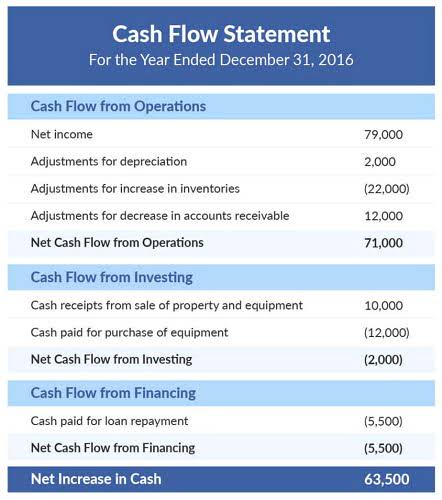
Opening balances are usually always exactly the same as the closing balances on the day before. A loss occurs when the gross profit of a business is less than the expenses the business has to pay to keep the business running. All financial transactions input to the bookkeeping system are called entries. Apurchase that can be claimed as a business expense is called a deductibleexpense because it has the effect of reducing the business profit, thereforereducing the amount of income tax owed to the government. A non deductiblepurchase is one that cannot be used to reduce the profit and tax such as whenthe owner uses business funds to buy something for personal use. The final balance on the bank statement or in the cashbook or ledgers at the end of any given day.
Expenses
- Besides this, ensuring compliance, transparency, and credibility is the foremost job of a financial administrator.
- Join over 1 million businesses scanning & organizing receipts, creating expense reports and more—with Shoeboxed.
- Another notable trend is the increasing importance of compliance and regulatory knowledge in bookkeeping roles.
- This role is crucial, especially during tax season, as businesses must navigate complex regulations and deadlines.
- Some of these factors include your level of education and experience, certifications, and where you live and work geographically.
Playing an important role in the finance and accounting department, the Finance Assistant helps provide accurate information. The profit and loss statement refers to the financial statement that summarizes the expenses, costs, and revenue during a specified period. Accountants are also sometimes responsible for making recommendations based on the company’s current financial health or status. That makes this more of an advisory role versus simply keeping the numbers organized and in balance. Specializing in a particular area allows bookkeepers to leverage their skills and knowledge to become experts in that field. This can lead to roles such as Tax Manager, Forensic Accounting Consultant, or Payroll Manager, which often come with increased responsibilities and higher salaries.

The last thing you want to do is spend hours re-entering all the transactions for the previous months and re-do the bank reconciliations. Unpaid supplier invoices and bills (that is money owed by the business to other businesses) are grouped under the Accounts Payable account – ‘AP’ for short – and are found on the balance sheet as a liability. The place wherefinancial entries of a similar nature are recorded, for example the ‘Sales’ account is where business income goes, the ‘Stationery’ account is where all pens, paper, staplers etc go. Overusing “bookkeeper,” however, might cost you a step on the career ladder. Relying too much on the common word makes your resume generic by failing to showcase the specific nature and depth of your experiences, causing it to blend in with countless others using the same vague descriptor.