


The Impact of Not Racing: Understanding British Horse Racing Off the Track
Horse racing has long been heralded as one of the most exhilarating sports in the United Kingdom, popular among both participants and spectators. However, there are times when British horse racing events are not conducted, whether due to adverse weather conditions, logistical challenges, or, in recent years, public health issues like the COVID-19 pandemic. This article delves into the consequences of British horse racing not occurring, exploring the economic, social, and cultural ramifications while also pointing out alternative options such as British horse racing not on GamStop UK horse racing not on GamStop for enthusiasts seeking engagement.

The Economic Impact of British Horse Racing Not Taking Place
The economic implications of horse racing cancellations can be staggering. A single race day can generate significant revenue for local economies, including ticket sales, betting, and associated tourism. According to research by the British Horseracing Authority (BHA), the racing industry contributes approximately £3.5 billion to the UK economy annually, supporting around 85,000 jobs. When races are canceled, the implications trickle down, affecting everyone from stable hands to farriers, vendors, and local hospitality businesses.
Local businesses rely heavily on the influx of fans and visitors on race days. Hotels, restaurants, and shops that see increased traffic during these events can experience severe downturns during cancellations. Moreover, it creates a ripple effect in the economy that may take time to recover from, particularly in rural areas heavily reliant on tourism associated with horse racing.
Social Ramifications of No Racing Events
Beyond the economic perspective, the social ramifications of not having British horse racing fixtures are equally significant. Horse racing is a communal event, bringing together families, friends, and social groups. Events like the Grand National or Royal Ascot serve as prominent social highlights in the British calendar. These gatherings promote community cohesion and a sense of belonging which cannot easily be replicated in virtual settings.
The absence of live racing events can lead to feelings of isolation among avid fans and those employed in the industry. Furthermore, it adversely affects charities and local initiatives that organize events around these races for fundraising purposes. The sporting community often rallies behind charitable causes, and with racing on hold, many organizations find themselves struggling to sustain their efforts.
Cultural Significance and Heritage
British horse racing is not just a sport; it’s an integral part of the country’s cultural heritage. The traditions, the pageantry, and the stories surrounding the sport weave into the fabric of British identity. When races are not held, an important cultural narrative feels paused or suspended. The legends of epic races, historic horses, and celebrated jockeys are stories that are passed down through generations and celebrated as part of the British cultural ethos.
Families that have attended races for generations lose the opportunity to share these experiences with their children. The passing down of knowledge surrounding breeding, training, and riding not only contributes to a greater appreciation of the sport but also builds a culture of participation that is essential for its survival. There is a threat that the next generation of enthusiasts may diminish without this exposure and engagement.
Alternatives During Racing Downtime
Despite the challenges posed by the non-occurrence of racing events, there are alternatives that enthusiasts can explore. Virtual racing, televised events, and alternative betting opportunities can help keep the spirit of horse racing alive. In particular, options such as televised races from international venues and virtual simulations have garnered interest. Fans can engage with the sport in new ways, albeit without the same thrill as being present at the track.
Additionally, there are initiatives across the UK that promote racing outside the traditional framework. For instance, platforms that focus on UK horse racing not on GamStop provide avenues for betting enthusiasts to stay engaged without the restrictions of traditional gambling frameworks. This creates a space where fans can enjoy racing’s excitement even when live events are not happening.
Looking Forward: The Future of Horse Racing
As we look to the future, the hope is for a return to normality in the world of British horse racing. However, the events of the past few years have shown us that flexibility and adaptability will be essential for the industry moving forward. The introduction of more flexible racing schedules, increased outdoor venues, and strong risk management plans could form the backbone of a resilient racing calendar.
Additionally, stronger ties between racing and local communities can foster a more sustainable environment for both sides. Engaging local people
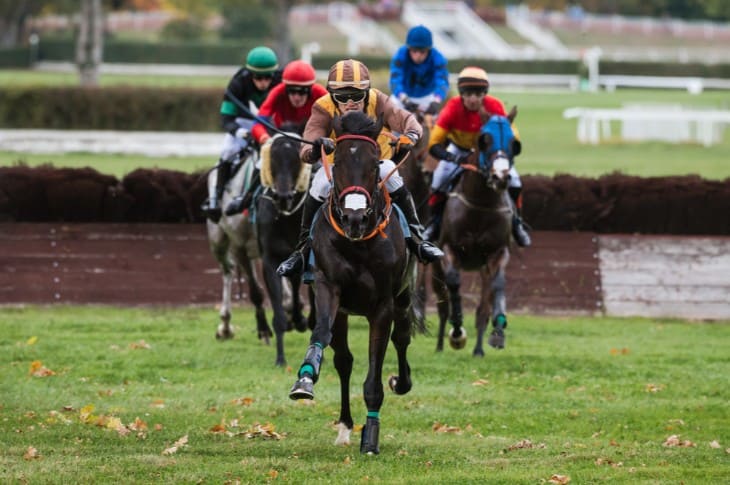
in equestrian education and grassroots initiatives can revitalize interest in horse racing while ensuring that the economic benefits extend beyond the racecourse.
Conclusion
The suspension of British horse racing events can have far-reaching effects that extend well beyond the racecourse. The implications on the economy, social fabric, and cultural heritage are profound. However, through adaptability and innovation, the horse racing community can harness new opportunities to engage enthusiasts and ensure a vibrant future for this beloved sport. As we navigate these unprecedented times, the attention towards preserving the rich tapestry of horse racing continues to be of utmost importance, keeping alive the hopes and dreams of those who cherish this thrilling pastime.