

To check your progress, open the Activity app on your Apple Watch or the Fitness app on your iPhone. It’s a simple thing to be able to do and hopefully, with your Apple Watch on you’ll remember to keep it strapped for all of your workouts. If you forget, you do at least have some record that it did actually happen. You have to use Apple’s Health iPhone to keep a record of any workout time where you didn’t use your Apple Watch to track it. Once you’ve entered the information hit Add and it will be added to your workout history and calendar inside the Health app. Now, Add the time you start and end your activity and then tap on Add button from the upper right corner of your phone screen.
Calibrate Your Apple Watch
Taking a few extra moments to review and confirm the data entered ensures that your fitness tracking is as precise as possible. By meticulously inputting these details, you can create a comprehensive log of your workouts in Apple Fitness and gain valuable insights into your overall fitness progress. With a few simple steps, you can take control of manually adding workouts to Apple Fitness and enhance your tracking experience with personalized data entries. By manually adding workouts to Apple Fitness, you have the opportunity to record and track a wide range of activities that may not be available in other apps.
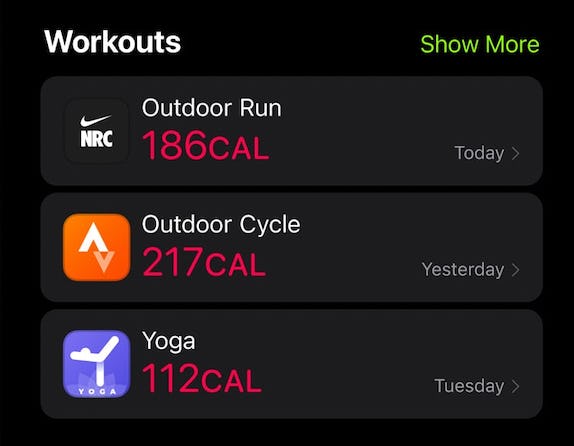
Reviewing and Analyzing Workouts
Once you have manually added your workouts to Apple Fitness, you can take advantage of the app’s features to review and analyze your progress. This section will guide you through the process of accessing and utilizing the tools available for tracking your fitness journey. Another tip for maximizing the use of manual workouts on the Apple Fitness App is to take advantage of the customization options available. The app allows you to input your own custom workouts, so don’t be afraid to tailor your entries to suit your specific fitness goals and preferences. Whether you’re into weightlifting, yoga, or cardio, you can create personalized workout entries that reflect the activities you enjoy most.
Strength Training Workouts
The app will automatically generate a personalized goal based on these inputs. To manually add a workout on Apple Fitness, start https://www.ncbi.nlm.nih.gov/books/NBK241309/ by opening the app on your device and navigating to the “Workouts” tab. From there, select the option to add a new workout and choose the appropriate category based on the type of activity you performed.
How to Sync Your Apple Watch or Other Fitness Devices With Apple Fitness App
- Wondering how to add workouts to Apple Fitness App for seamless tracking and monitoring of your progress?
- To add custom workouts to Apple Fitness, you can start by opening the Fitness app on your iPhone.
- This information can help you make informed decisions about your fitness routine, such as adjusting workout intensity or duration based on past results.
- And I entered it later the same day (June 10) that I performed the workout.
- However, there are times when certain forms of exercise or physical activities may not be accurately captured by these devices.
- You can also enter specific details such as the duration, distance, and any additional notes about the exercise.
First of all, you want to make sure you input your workout information the day of. Since the workout data in the Apple Health app can contribute to your daily activity streaks, you want to make sure you get the credit you deserve. It is a useful feature, especially if you forget to start a workout on your watch, you decide to workout while your watch is charging, or it maybe it died on you halfway through your activity. Elesh Patel has worked extensively on marketing initiatives within the fitness niche, managing paid campaigns for fitness-focused products and services. His experience includes supporting platforms that target personal trainers, gym owners, and fitness creators.
How to Track Specific Workouts and Activities in Apple Fitness
The length of these workouts is also doable and offers approximately 30-minute or 40-minute to 1-hour narrated runs. These are perfect options for the runner who isn’t in training mode. Adding an exercise app to your iPhone’s Fitness app involves downloading a compatible fitness app from the App Store that integrates with Apple Health. Once you have downloaded the app, open it and look for settings related to syncing with Apple Health. To create a profile on the Apple Fitness App, start by downloading the app from the App Store and following the on-screen instructions to set it up on your device. Once installed, open the app and sign in with your realreviews.io/reviews/madmuscles.com Apple ID or create a new account if you don’t have one already.
Stay on Top of Your Exercise Goals With Apple Fitness
Expect to see him with a minimum of two wearables at any given time. Apple needs the motion and sensor data to influence the movement of those rings. The good news is it’s possible whatever Apple Watch model you’re rocking right now. Whether you’ve got an Apple Watch Series 8 or the Watch SE, you’re good. There is still a way to make sure all of your workout time is all accounted for if you need that evidence you did sweat buckets and power through another big HIIT class. You can see that the activities displayed by that carousal are the same as you can see in Apple Watch when you add your Favorite Fitness Activity to the Workout App.
International users pay the same myfitnesspal cost but get fewer is madmuscles legit features. Paying for the premium plan doesn’t give you access to verified or more accurate food data. They switched to other fitness apps that still offer free barcode scanning.
How to Add Workouts to Apple Fitness App
By regularly reviewing your progress within the app, you can adjust your workout routine as needed to ensure that you continue moving closer to your fitness goals. Another key feature of the Apple Fitness App is its seamless integration with other Apple devices like the Apple Watch. By connecting your Apple Watch to the app, you can enjoy automatic workout tracking without having to manually input each session. Additionally, Apple Fitness provides a weekly and monthly summary of all your workouts combined.
Choosing the Subcategory for Specific Detail
Apart from blogging, he likes to work out as much as he can in his gym and love to listening to retro music. Once you add these details be aware that they will show up in your Workout section of the Fitness app. For a lot of people, the Apple Watch is the gold standard when it comes to smartwatches. Whether you have a Series 9, an Ultra, or even the Watch SE, you’ll get the best integration and experience if you own an iPhone. Unfortunately, even premium products aren’t immune to software-related bugs. Find the workout you want to delete by scrolling through the list of recorded activities.
Stay Consistent With Logging
After selecting the correct workout type, you will need to input specific details such as duration, distance (if applicable), and calories burned during your session. By accurately entering this information, you can ensure that your progress and performance are accurately tracked within the Apple Fitness app. Additionally, consider personalizing your workout by adding notes about any specific aspects of your session and assigning tags or intensity levels to further enhance its details. In conclusion, the Apple Fitness App provides users with a comprehensive platform to track their workouts and overall health. By understanding how to manually add workouts to the app, individuals can take full advantage of its benefits and features.
The Apple Fitness App offers a wide range of features that make it easy to add and track your workouts effectively. One of the standout features of the app is its extensive library of different workout types, including yoga, high-intensity interval training (HIIT), strength training, and more. Strength training plays a vital role in building muscle mass, enhancing strength, and boosting metabolism. When manually adding a strength training workout in Apple Fitness, make sure to choose the “Strength Training” category. You can specify the muscle groups targeted, the exercises performed, and the number of sets and repetitions completed for each exercise.