

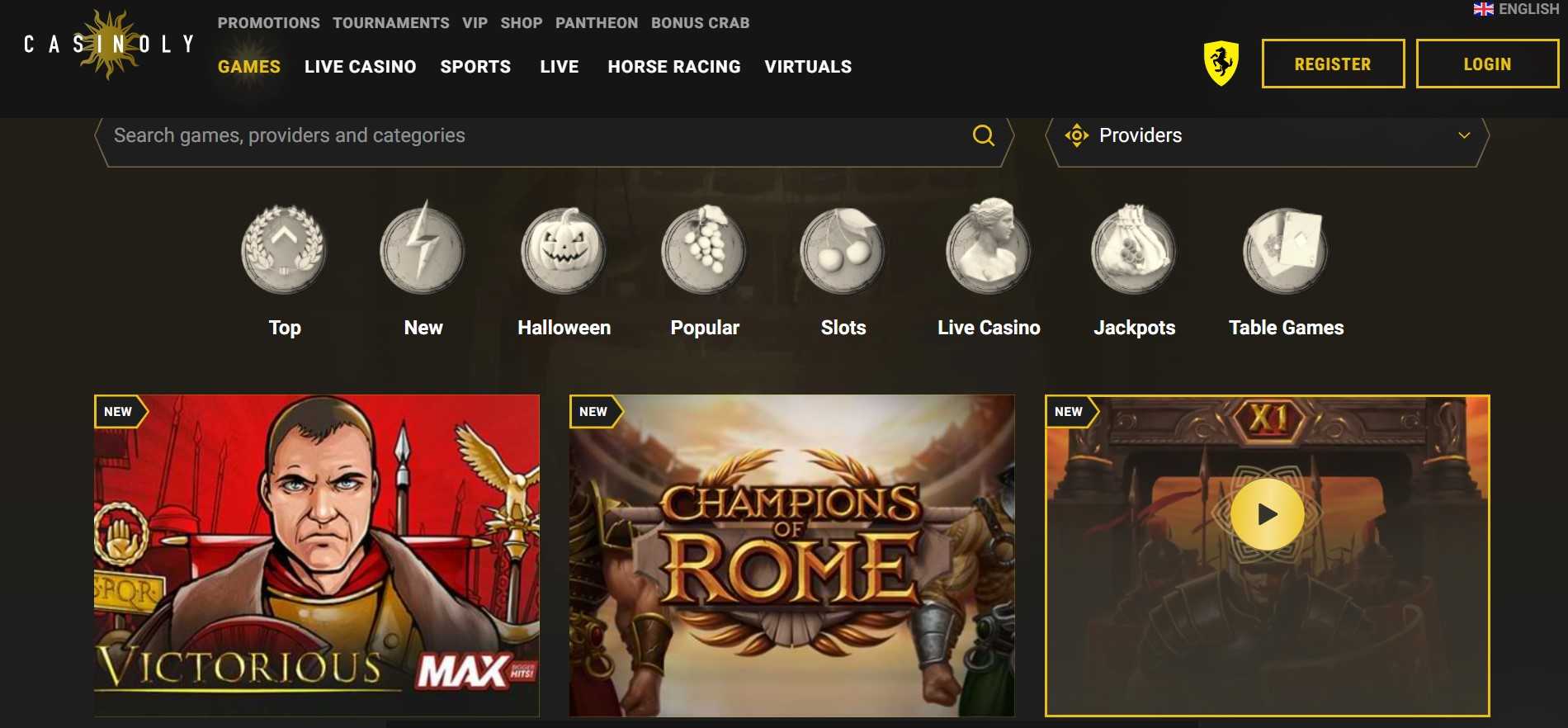
A mobile user from Edmonton, Alberta, spent two weeks recording every megabyte Casinoly Casino used while he played https://casinoly-casino.eu.com/. He was on a tight 3 GB plan from Rogers and needed to see whether real‑money sessions would push him into overage territory before the month ended. The numbers he collected paint a precise picture of the casino’s data habits, giving any Canadian with a capped plan a way to keep playing without burning through their allowance and sacrificing the experience.
Why a Canadian Decided to Track Casinoly’s Data Footprint
Data plans in Canada still rank among the priciest globally. A starter plan with a few gigabytes often costs $50, and going over the limit means either painful extra charges or a 512 kbps crawl. Play Casinoly Casino on a lunch break or during a commute without watching the meter, and a single gaming session can consume a large portion of your monthly allowance. That’s exactly what pushed this part‑time Prairie player to measure the risk with hard numbers.
Casinoly had caught his eye because games loaded quickly and the platform supports Canadian banking options like Interac and iDebit. But after he spotted a data spike on the days he played, he wanted hard numbers. So he created a daily monitoring practice: he logged megabytes for each session, each game type, and each hour of live dealer play, all while remaining under his existing data cap.
Comparing Wi‑Fi and Mobile Data Performance in the Provinces of Ontario and British Columbia
To ensure it wasn’t just a network fluke, he ran the same one‑hour slot session on Rogers LTE in Kingston, Ontario, and then on Telus 5G in Victoria, BC. Data usage differed less than 5 percent, showing that Casinoly’s data footprint is determined by the assets it loads from servers, not by your connection speed. Faster networks don’t increase game size; the files stay the same size.

Lag and load times were distinct, of course. The 5G towers in Victoria knocked a couple seconds off the initial game load, but the total megabytes downloaded stayed the same. So upgrading to a faster network won’t eat into your data cap any more than a slower one. The same data‑saving moves worked in both provinces, pitchbook.com so the results are relevant for anyone on Bell, Rogers, Telus, or Freedom Mobile.
Actionable Tips for Canadian Users on Restricted Data Plans
Using the tracked data, he assembled a short set of practical steps for anyone playing on a limited Canadian plan. None of them demand technical wizardry, and they keep the casino fun undiminished while cutting data use by 40% or more.
- Always open Casinoly Casino on home Wi‑Fi first, allowing the lobby and favourite games cache their assets.
- Use the “Favourites” feature to go straight to a handful of games, bypassing the data‑heavy lobby scroll.
- Turn off automatic video and animation options in the casino’s in‑game menu, if accessible.
- Set a device‑level data warning at 80 percent of your plan limit to detect runaway consumption early.
- Schedule live dealer sessions only when connected to unlimited home or public Wi‑Fi to preserve mobile data for slots and simple table games.
Many Canadian carriers sell cheap data add‑ons, too. A $5 one‑time top‑up, combined with the savings from these tips, can often handle a whole month of casual casino play. A bit of discipline transforms Casinoly on a limited plan from a data gamble into a steady, predictable line item with no overage panic.
This tracking experiment eliminated the mystery from Casinoly’s data usage. It shows you can play plenty and still stay well under a 3 GB or 5 GB cap, as long as you refrain from hopping between games. Live dealer tables are the one exception where Wi‑Fi is a must; everything else remains light with a bit of caching discipline. Tweak a few phone‑side settings and you can wager, bet, and collect winnings without sweating the monthly data warning.
What Amount of Data Casinoly Casino Consumes During a Typical Session
Blending slots and table games during an hour used roughly 22 to 28 MB. That seems modest, yet across 20 gaming days monthly it adds up to nearly 500 MB, about 10 percent of a 5 GB plan. Should you already be managing video streams and social feeds within the same limit, this additional half‑gig is noticeable. A single late‑night session can increase twofold the consumption per hour.
Frequent game‑hopping led to the largest data spikes. Whenever a new slot loaded, it pulled 1 to 3 MB, accumulating quickly if you enjoy testing ten various titles per session. Listed below the hourly averages he gathered for different play styles:
- Just slots, autoplay active: 18–22 MB per hour.
- Blackjack or roulette (non-live): 15–20 MB per hour.
- Frequent game hopping (10+ titles): 30–35 MB per hour.
- Initial login and lobby refresh: 3–5 MB at the beginning of each session.
The Experimental Setup: Device, Connection, and Tariff Restrictions
He ran the test on an iPhone 13 linked to Bell’s LTE network in the GTA. Background app refresh was deactivated so only Casinoly’s data would appear. Before every session, he zeroed the phone’s cellular data counter. The plan included 5 GB of full‑speed data, then limited to 512 kbps until the next cycle, a standard Canadian budget plan setup.
He gamed while out and about, and also at home, deliberately remaining on mobile data even with Wi‑Fi nearby to reflect real life. Screen brightness was set to 50 percent, no other apps were fetching in the background. He wrote down every spin, hand, and game change next to the data increment iOS displayed. The result provides a clean, repeatable snapshot of how many megabytes Casinoly Casino uses in everyday Canadian conditions.
Fine-tuning Casinoly’s App Settings to Cut Data Usage
Casinoly is missing a native data‑saver toggle so far. But a number of phone‑side and in‑app adjustments can cut the digital footprint. He examined different combinations and observed which changes actually conserved megabytes across several runs, all without killing the fun.
- Turn off video previews and autoplay animations inside the app’s display menu; this alone reduced slot data about 15%.
- Apply an ad‑blocking DNS profile to stop third‑party tracking scripts that execute behind the game window.
- Focus on one game per session instead of hopping; cached assets get recycled and save data.
- Cache the lobby and thumbnails on Wi‑Fi before leaving home to prevent upfront data charges.
- If the app has an “SD” toggle for live streams, turn it on to reduce resolution.
Taken together, these tweaks reduced average hourly data usage by 35% over the tracking period. The single biggest gain came from not jumping between games, which stopped the repeated asset downloads. If you start with a quick settings checklist, you can log hours of play on a 2 GB or 3 GB plan without ever seeing a top‑up warning.

Data Monitoring Outcomes During One Week of Regular Play
He recorded a complete week of regular, unchanged play to get a baseline. Averaging out at 45 minutes a day, he mixed one evening of live blackjack with several short slot dashes. By the end of seven days, the phone’s data counter read 492 MB, a raw, unprocessed number.
- Live blackjack session (1 hour): 135 MB.
- Slot gaming sessions (aggregate 4 hours): 88 MB.
- Roulette plus table games (1.5 hours): 30 MB.
- App startup, lobby navigation, and supplementary assets: 239 MB.
The surprise was the lobby browsing number: scrolling through the game catalogue consumed more data than the real gaming. Every thumbnail, promo banner, and real‑time jackpot ticker reloaded on entry, piling up almost half a gigabyte in a week. That’s why preloading the casino on Wi‑Fi turned out to be such a big help.
Live Dealer Games: A Underlying Data Drain on Limited Plans
Live dealer games are a completely different animal. Streaming HD video of a real croupier, plus the interactive betting overlay, used up 120 to 150 MB per hour. On a 3 GB plan, a two‑hour live roulette session gobbles up close to 10 percent of your monthly cap, even with nothing else running in the background.
He tried both standard and VIP live tables. Stream quality adjusts dynamically, but even the reduced‑resolution feed hardly ever dropped below 100 MB per hour. Turning off the optional multi‑camera view cut down the number a little, but the main video feed was the real data hog. If you love live dealer play, save those sessions for Wi‑Fi or an unlimited home connection.
Game Genres That Consume Data the Most Rapidly
Not all games are equal when it comes down to data. Heavy animations, 3D environments, and high‑definition visuals load more assets, which drives the meter skyward. Casinoly’s library ranges from data‑friendly classics to fancy video slots with bonus rounds that load extra content as you game. The user sorted game types into a simple ranking by how much data they use.
- Video slots with movie‑like intro sequences and constant animations: 25–30 MB per hour, sometimes peaking beyond 35 MB during bonus features.
- Table games with a typical felt interface (blackjack, baccarat): 14–18 MB per hour.
- Classic 3‑reel slots with basic graphics: 10–14 MB per hour.
- Instant‑win scratch cards and arcade games: 8–12 MB per session, as they pull fewer assets altogether.
The numbers remained stable across several days and different network conditions. Emptying the app cache didn’t assist with the flashy slots; they still fetched fresh assets from the server on every spin. Choose blackjack and simpler slots, and you can stretch your data a lot longer. Skip jumping in and out of new games just to check out the visuals, and the megabytes remain low.